
In the News
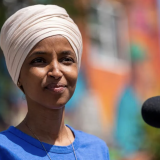
Rep. Ilhan Omar rallied in support for adult-use cannabis in Minnesota earlier this month, after backing the issue consistently during her tenure in office. Minnesota recently became the 23rd state to allow adult-use cannabis after Gov.
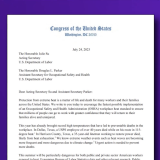
MINNESOTA, USA — Right now, states have different laws when it comes to protecting workers in excessive heat.
According to the Minnesota Department of Labor and Industry, states like California and Washington have specific outdoor heat exposure standards, but Minnesota does not.
Minnesota does have hot and cold standards for work that occurs indoors, but not outdoors. However, Minnesota Occupational Safety and Health Administration (OSHA) says employers have a “responsibility to protect workers from heat-related hazards.”
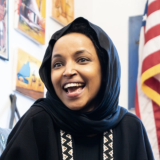
House Republicans removed Congress’ only African-born lawmaker from the Foreign Affairs Committee early this year, but the effort to punish Rep. Ilhan Omar appears to have instead made her an even more prominent voice on the issues she cares about.

SWEET 14TH — Progressives in Congress continue to speak out with serious warnings to the White House about the direction of budget negotiations with House Republicans.
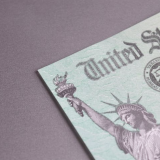
In 2021, Congress passed the landmark American Rescue Plan signed into law by President Joe Biden. Among other policies, the bill dramatically expanded the Child Tax Credit to up to $3,600 for children under 6 and $3,000 for children between the ages of 6 and 17. These payments represented the biggest anti-poverty initiatives in a generation. As a result of the expanded Child Tax Credit, survival checks during the pandemic and expanded unemployment assistance, child poverty hit a historic low in 2021.
WASHINGTON (AP) — President Joe Biden was winding up for a speech at a Minnesota clean energy facility when he spotted a lawmaker in the crowd whom he wanted to recognize.
“I want to thank you for being here,” Biden said, gesturing toward Democratic Rep. Ilhan Omar during his recent visit. “You never stop working to level the playing field for everybody.”
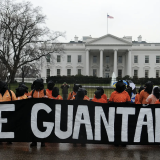
Twenty years ago today, the United States brought to the prison at Guantánamo Bay, Cuba, the first of the nearly 800 Muslim men and boys it would eventually hold captive there. In that sense, January 11 is an anniversary. I prefer not to characterize it that way, though, because any word that can sometimes be synonymous with celebration should never be used to describe these last two decades of lawlessness and cruelty at Guantánamo Bay detention camp.
Today is a day to reflect, and to act.

When President Joe Biden announced in the spring his plans for "once-in-a-generation investments in our nation's future," he said that "it is not enough to restore where we were prior to the pandemic. We need to build a stronger economy that does not leave anyone behind -- we need to build back better."
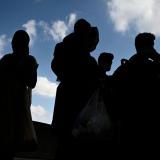
As I heard the news out of Afghanistan—the families scrambling to get on American planes, or the thousands of requests for assistance pouring into my office—I was taken instantly back to my childhood. I remembered sitting in a refugee camp in Kenya when I was about 10 years old and overhearing my father and grandfather discuss how we were going to get out. "Only in America can you ultimately become an American," my grandfather said. "Everywhere else we will always feel like a guest."